
Is it time to upgrade to an on-demand water heating option?
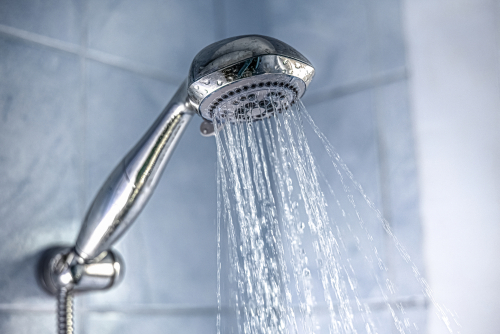 When was the last time you thought about the efficiency of your home’s water heater? It’s worth giving it a thought because heating water accounts for roughly one-fifth of the energy consumption of the average U.S. home. Plus, it’s difficult to maintain your quality of life without hot water for showers, cleaning, dishwashing and laundry.
Virtually every day, the Leahy’s Fuels team speaks to customers about how they can get the best hot water generation while keeping their costs down. These days, the question often comes down to whether you want to use a traditional or tankless water heater.
How Do Traditional and Tankless Water Heaters Work?
When you think of a water heater, chances are you’re picturing a traditional storage tank unit. The typical residential unit holds between 30 and 50 gallons of water. Cold water enters the tank, is heated to a preset temperature, and remains ready for use. Hot water is drawn from the top of the tank as needed, while cold water is refilled to ensure the cycle continues.
Tankless water heaters operate quite differently. Instead of storing water, they heat it on demand. When you turn on a hot water tap, shower or appliance, the unit’s flow sensor activates, gauging the required amount of heat. The igniter adjusts the flame intensity accordingly. Cold water first passes through a secondary heat exchanger for preheating and then moves to the primary heat exchanger. From there, the freshly heated water flows into a small buffer tank and directly to your faucet or appliance.
But how do you determine which option is better for your home in Sherman or elsewhere in western Connecticut? Let’s break down some key factors.
Hot Water Production
One major advantage of tankless water heaters is that they can provide a virtually endless supply of hot water without the need for recovery time. Traditional units can run out of hot water and require time to reheat a depleted tank. By contrast, tankless systems are sized by flow rates to ensure they can supply hot water as needed. Our team can assess factors like the temperature of incoming water and how many hot water fixtures or appliances you use, helping you choose an ideal tankless unit. With the right system, you’ll never have to worry about your shower going cold just because the dishwasher is running.
Upfront Costs
When it comes to initial costs, traditional storage tank water heaters are generally less expensive to purchase and install than their tankless counterparts. Tankless systems are pricier due to their advanced technology and the potential need for electrical or gas line upgrades. But that’s only part of the affordability conversation.
Energy Efficiency
According to the Department of Energy (DOE), tankless water heaters are up to 34% more energy-efficient than traditional storage tank systems. Storage tank units continuously heat and reheat water, even when it’s not being used, leading to what’s known as standby heat loss. Tankless systems eliminate this wasted energy by heating water only when it’s needed, saving you money on fuel bills.
Expected Lifespan
Did you know that storage tank water heaters typically need to be replaced after eight to 12 years? This is often due to corrosive particles that degrade the tank over time. Tankless water heaters, however, have far less exposure to these particles, allowing them to last up to 20 years with proper maintenance. A tankless unit is a long-term investment that offers durability and reliability.
Space in Your Home
For homes where space is at a premium, tankless water heaters are the clear winner. Traditional storage tank systems require significant space, often taking up an entire closet. In contrast, tankless systems are compact, roughly the size of a small suitcase, and can be mounted on a wall. This saves you approximately 12 square feet of floor space—giving you more room for other uses.
Leahy’s Fuels is here to help you select the ideal water heater for your home and budget. We’ll install it and service it so it runs efficiently for the longest possible lifespan. Contact us today to request a quote on a water heater.